
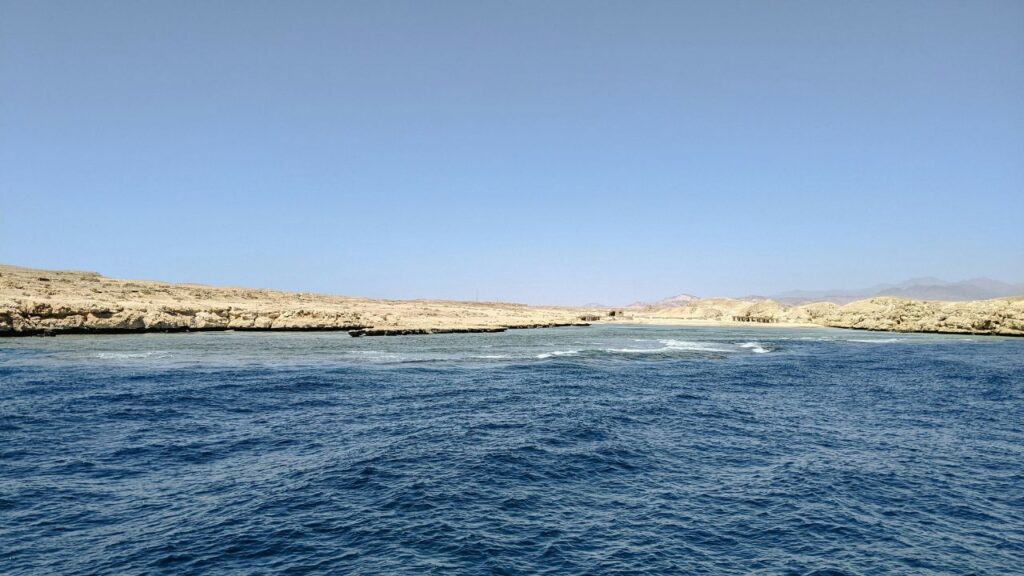
If you’ve been following the news lately, you’ve probably heard the name Strait of Hormuz thrown around. It sounds like something from a geography textbook, but this narrow strip of water is one of the most important places on the planet.
What Is the Strait of Hormuz?
The Strait of Hormuz is a narrow waterway connecting the Persian Gulf to the Gulf of Oman, and from there to the wider Arabian Sea and Indian Ocean. It sits between Iran to the north and the Musandam Peninsula to the south, which is shared by Oman and the UAE.
At its narrowest point it is only around 39 kilometres wide. That is remarkably small given its role in global trade. The shipping lanes themselves are even tighter than that. Tankers heading in and out use two lanes that are each just a few kilometres across, separated by a buffer zone. For a waterway carrying such a staggering volume of the world’s energy supply, it is almost uncomfortably slim.
Why Is the Strait of Hormuz So Important?
The short answer is oil. The longer answer is oil, gas, and the entire global economy.
The Persian Gulf is home to some of the world’s largest oil producers, including Saudi Arabia, Iraq, Kuwait, the UAE, Qatar, and Bahrain. Every single one of them relies on the Strait of Hormuz to export their energy to the rest of the world. There is no other practical route out of the Persian Gulf for large tankers.
Around 20 million barrels of oil pass through the strait every single day. That figure represents roughly 20 percent of the world’s total petroleum consumption. On top of that, the strait carries a significant share of the world’s liquefied natural gas, much of it from Qatar, which is one of the largest LNG exporters on the planet.
To put that in perspective, if the Strait of Hormuz closed tomorrow, one fifth of the world’s oil supply would disappear overnight. No other waterway, pipeline, or alternative route could absorb that volume quickly enough to prevent serious disruption. It is, in the truest sense, a choke point.
Who Controls the Strait of Hormuz?
This is where things get politically complicated. Iran sits on the northern shore and has long used its geographic position as a form of leverage. Under international maritime law, vessels have the right of transit passage through international straits. However, legal rights and practical reality are two very different things.
Iran has threatened to close the strait on multiple occasions, particularly during periods of tension with the United States or when Western sanctions have tightened. Whether it could actually do so is debatable. The US Fifth Fleet is based in Bahrain specifically to protect freedom of navigation in the region. Any attempt to physically close the strait would trigger an almost immediate military response.
That said, Iran does not need to fully close the strait to cause serious disruption. Harassment of tankers, naval exercises that slow traffic, attacks on vessels, or even credible threats are enough to send oil prices sharply higher. Markets hate uncertainty, and the Strait of Hormuz produces uncertainty in abundance.
What Happens When the Strait Is Threatened?
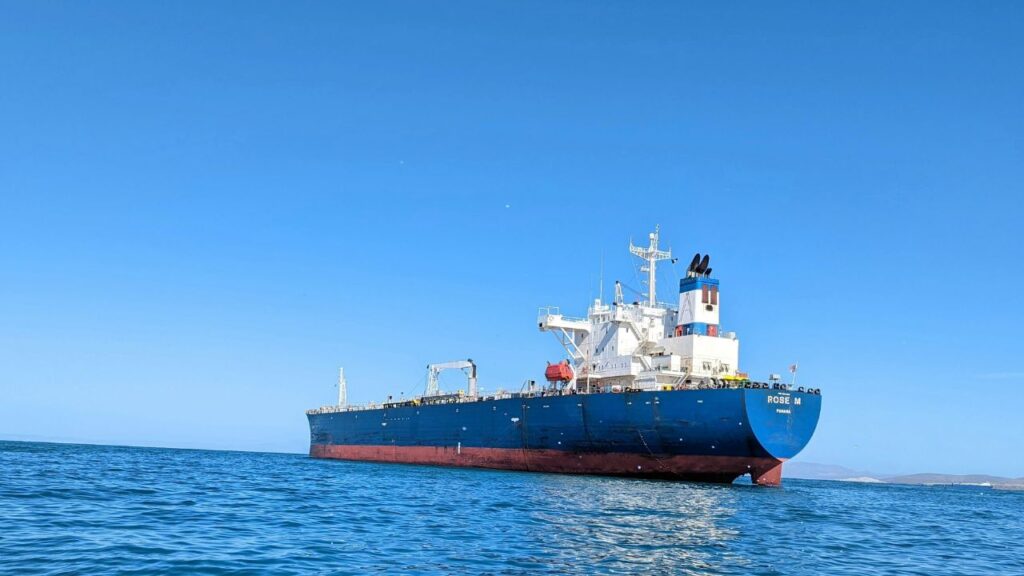
History gives us a clear picture. During the Iran-Iraq War in the 1980s, both sides attacked oil tankers in what became known as the Tanker War. Insurance costs soared, shipping companies demanded military escorts, and global oil prices became extremely volatile. The US Navy ended up providing protection to reflagged Kuwaiti tankers to keep the oil flowing.
More recently, tensions flared again in 2019 when a series of tanker attacks in the Gulf of Oman took place. Iran was blamed for the incidents, alongside the seizure of a British-flagged vessel. As a result, oil prices spiked and the international community scrambled to establish naval coalitions to protect shipping.
Each time tensions rise around the Strait of Hormuz, the same pattern plays out. Energy markets react immediately. Oil prices go up. That feeds through into petrol prices, heating costs, airline tickets, and eventually the price of almost everything else. Energy is embedded in the cost of producing and transporting almost every good on the market.
How Does the Strait of Hormuz Affect You?
Even if you have never been anywhere near the Middle East, the Strait of Hormuz has a direct line to your wallet. For example, when tensions rise in the strait, oil prices tend to increase. Higher oil prices mean higher petrol prices at the pump, which most people feel immediately.
The ripple effects go further than that. Energy bills go up as gas becomes more expensive. Businesses face higher transport and production costs, which they pass on to consumers. Inflation ticks upward.
The Bank of England watches inflation closely when setting interest rates. So sustained energy price shocks can influence borrowing costs too, including mortgage rates. That is a long chain of consequences from a waterway most people could not find on a map.
For investors, the picture is more complex. A spike in oil prices is bad news for energy importing economies like the UK, but it tends to be very good news for oil companies. Shares in BP, Shell, and other energy majors often rise sharply when oil prices jump. If you hold a broad index fund, you almost certainly have some exposure to these companies already.
However, sectors that rely heavily on energy, such as airlines, logistics companies, and manufacturers, tend to suffer when oil prices rise. Understanding where your portfolio sits relative to energy costs is worth thinking about if you are serious about managing your investments.
Are There Any Alternative Routes?
There are a few, but none come close to replacing the Strait of Hormuz at scale. Saudi Arabia has a pipeline called the East-West Pipeline, which carries oil from the Gulf coast across to the Red Sea, bypassing the strait entirely. The UAE also has a pipeline to Fujairah on the Gulf of Oman coast. Together these pipelines provide some relief, but their combined capacity falls well short of the volumes that flow through the strait daily.
However, there are also longer shipping routes around the Arabian Peninsula. These add significant time and cost to every voyage. In a genuine crisis, they would help at the margins but would not solve the problem. The blunt truth is that there is no substitute for the Strait of Hormuz.
Why You Should Keep an Eye on It
The Strait of Hormuz is one of those places that can move global markets almost instantly. Geopolitical events in the region, Iranian foreign policy, US-Iran relations, and naval exercises in the Gulf can all have immediate consequences for energy prices. By extension, they affect your cost of living and investment returns.
This does not mean you need to trade oil futures or become an expert in Middle Eastern geopolitics. But having a basic awareness of why the strait matters means you are better placed to understand why energy prices are moving, what might be driving inflation, and where certain sectors of the market might be heading.
The Strait of Hormuz is a reminder that global finance does not happen in a vacuum. It is tied to geography, politics, and the physical flow of resources around the planet.
Content on IceburgWealth.com is for informational purposes only and not intended as investment advice. While we strive to provide accurate and up-to-date information, Iceburg Wealth is not responsible for any errors or omissions, or for outcomes resulting from the use of this information. Readers should seek professional advice before making any financial decisions.