

When economic uncertainty rises, one question always comes to the surface: how do you protect your wealth?
Across the world, people rely on three core assets to preserve financial security cash, gold, and Bitcoin. Each plays a very different role, and each carries its own risks.
What Does Protecting Wealth Really Mean?
Protecting wealth is not about chasing maximum returns. It’s about preserving purchasing power over time.
True wealth protection aims to:
- Maintain real value after inflation
- Reduce exposure to systemic risk
- Ensure liquidity when opportunities or emergencies arise
- Avoid catastrophic losses during economic shocks
In simple terms, it’s the difference between looking wealthy and staying wealthy.
Cash: Safe, Stable, and Quietly Losing Value
Cash remains the foundation of all financial systems. Bank balances, savings accounts, and fiat currencies are still the most widely used tools for short term financial security.
Advantages of Holding Cash
- Immediate access to funds
- Essential for emergencies and daily expenses
- Government-backed protection (e.g. FSCS in the UK)
- No price volatility
The Problem With Cash
Cash consistently loses value over time due to inflation.
If inflation runs at 5% and your savings earn 1%, your purchasing power is shrinking every year silently.
Cash is not an investment. It is liquidity insurance.
When Cash Makes Sense
- Emergency funds
- Short-term expenses
- Market downturn protection
- Tactical opportunities
Long term, however, holding excessive cash is one of the most common wealth destroying mistakes.
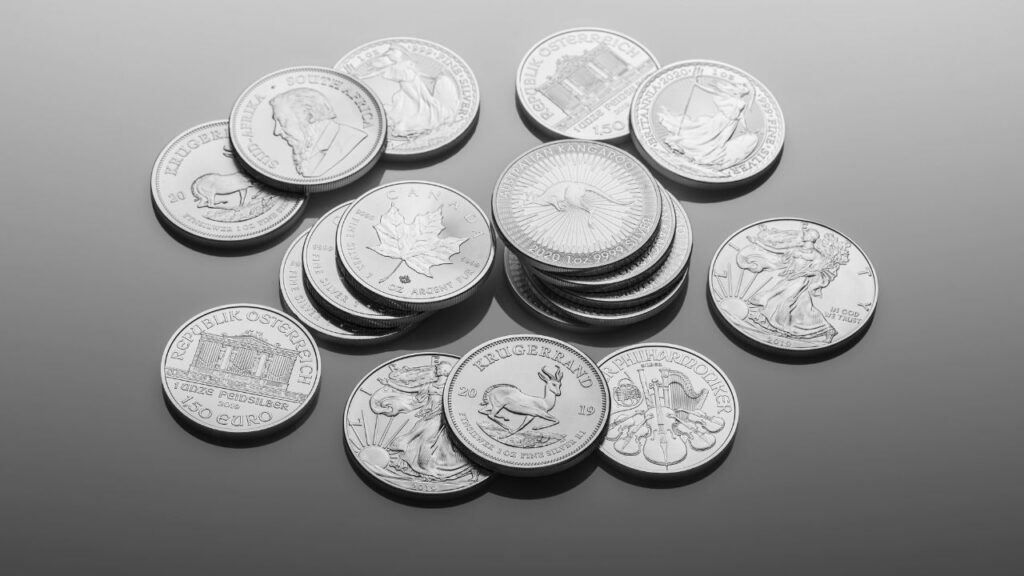
Gold: The Original Store of Value
Gold has protected wealth for thousands of years. Empires collapsed, currencies failed, and gold remained valuable.
Central banks still hold it for one reason: trust.
Why Gold Protects Wealth
- Historically strong inflation hedge
- Performs well during economic crises
- Independent of any single government
- Finite supply
Gold’s role is not growth it is preservation.
Downsides of Gold
- No income or yield
- Requires storage and security
- Can stagnate for long periods
- Prices influenced by sentiment and interest rates
Ways to Invest in Gold
- Physical bullion or coins
- Gold ETFs
- Gold mining equities
For many investors, gold acts as portfolio insurance boring when markets rise, invaluable when they fall.
Bitcoin: Digital Gold or Speculative Asset?
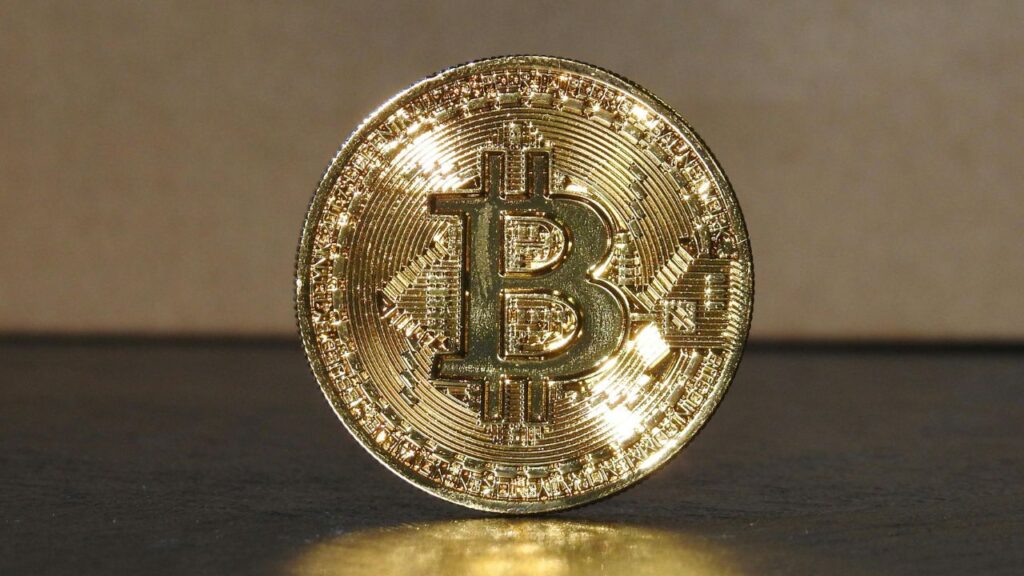
Bitcoin is the newest contender in the wealth protection debate and the most controversial.
Supporters see it as digital gold. Critics see extreme volatility.
Both are correct.
Why Bitcoin Is Used to Protect Wealth
- Fixed supply (21 million coins)
- Decentralised and borderless
- Not controlled by central banks
- Increasing institutional adoption
Bitcoin is designed to resist monetary debasement a growing concern in a world of expanding money supply.
Bitcoin’s Risks
- High price volatility
- Regulatory uncertainty
- Custody and security risks
- Emotional investor behaviour
Bitcoin protects wealth best over long time horizons, not short ones.
It is not a replacement for cash or gold it is a high risk hedge with asymmetric upside.
Cash vs Gold vs Bitcoin: A Practical Comparison
| Asset | Liquidity | Inflation Hedge | Volatility | Income |
|---|---|---|---|---|
| Cash | Very High | Weak | Very Low | Low |
| Gold | Medium | Strong | Medium | None |
| Bitcoin | High | Potentially Strong | High | None |
Each asset protects against different threats:
- Cash protects against short term uncertainty
- Gold protects against systemic risk
- Bitcoin protects against monetary debasement
Relying on just one is a structural weakness.
How People Actually Protect Wealth
Wealth protection is not about picking sides. It’s about allocation.
A sensible defensive allocation might include:
- Cash: 5–20% for flexibility and security
- Gold: 5–15% as a long-term hedge
- Bitcoin: 1–10% depending on risk tolerance
The goal is resilience not perfection.
Rebalancing Is Non Negotiable
Assets move at different speeds. Without rebalancing:
- Winners become oversized risks
- Losers distort portfolio structure
- Emotional decisions creep in
Rebalancing enforces discipline something most investors lack.
UK Tax Considerations (High Level)
From a UK perspective:
- Cash interest may be taxed above allowances
- Gold can trigger Capital Gains Tax on disposal
- Bitcoin and crypto assets are subject to CGT
Tax efficiency is part of wealth protection. Ignoring it is expensive.
The Behavioural Trap Most Investors Fall Into
The biggest threat to wealth is not inflation or market crashes.
It’s poor decision making.
Common mistakes include:
- Panic selling during downturns
- Overexposure to one asset
- Chasing past performance
- Ignoring long-term strategy
Wealth protection is boring by design. If it feels exciting, it’s probably risky.
Protection Beats Prediction
No one can predict markets consistently. But you can prepare for different outcomes.
- Cash gives you optionality
- Gold gives you stability
- Bitcoin gives you asymmetric protection
Used together, they form a robust defence against the unknown.
We believe wealth is built by avoiding catastrophic mistakes first and compounding second.
Protect the downside, and the upside takes care of itself.
Content on IceburgWealth.com is for informational purposes only and not intended as investment advice. While we strive to provide accurate and up-to-date information, Iceburg Wealth is not responsible for any errors or omissions, or for outcomes resulting from the use of this information. Readers should seek professional advice before making any financial decisions.