
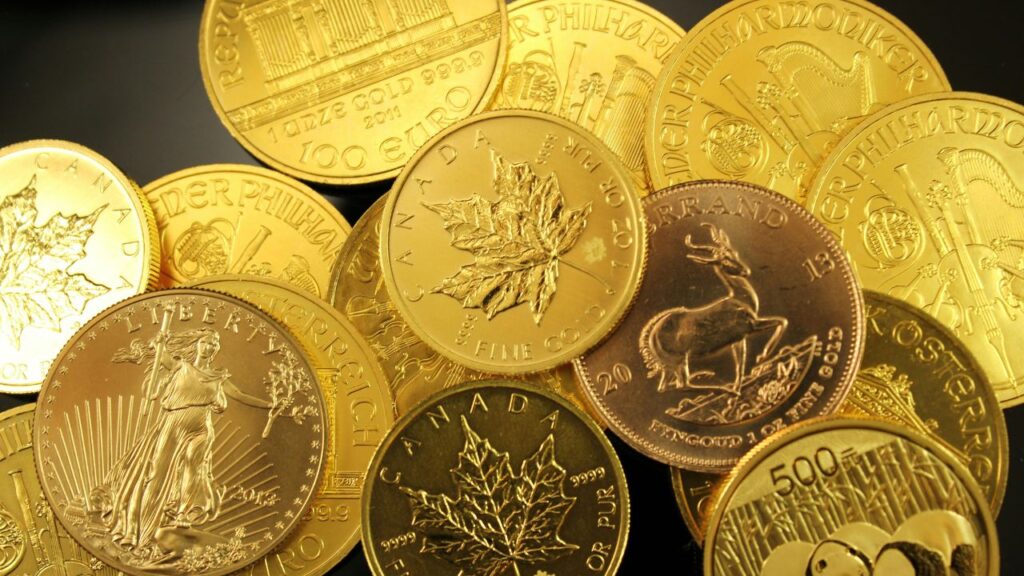
Gold hit £2,400 an ounce earlier this year. Probably a bit higher by the time you’re reading this. Ten years ago if you’d said that out loud most people would have smiled and moved on. Now those same people are quietly googling how to buy some.
So is this just a number going up, or is there something real behind it? Bit of both, honestly. But the real part has been real for a very long time.
You Can’t Print More Of It
Everything ever mined in all of human history would fit into about three and a half Olympic swimming pools. That’s it. That’s all there is. Mining adds roughly 3,500 tonnes a year, which sounds like a lot until you realise it’s less than 2% of existing supply.
Now think about how money works. Since 2008 the Bank of England has created hundreds of billions of pounds through quantitative easing. The US Federal Reserve took its balance sheet from under £800 billion to nearly £7 trillion. Not because the economy earned it. Because they typed it into existence. When you create more of something without creating more value, each unit of that something buys less. That’s not a radical idea, it’s just how supply and demand works.
Gold can’t be typed into existence. There’s no gold printer. That’s the whole thing.
It’s Been Around Longer Than Any Currency
The Egyptians were mining it 5,000 years ago. The Romans built trade routes around it. Every serious currency right up until the 20th century was either backed by gold or pegged to something that was. We came off the gold standard in 1931. The Americans followed in 1971. Since then every major currency on earth is backed by confidence in whoever’s running the government at the time.
That’s quite a recent experiment when you look at the full picture. And it hasn’t always gone well. Weimar Germany. Zimbabwe. Argentina. Venezuela. When governments print money without limit and people stop trusting the currency, things get ugly fast. Gold held its value in every one of those situations when the local currency didn’t.
People repeat this example a lot but it’s a good one. An ounce of gold bought a decent Roman toga two thousand years ago. Today it buys a decent suit. The pound has lost roughly 99% of its purchasing power over the past hundred years. Gold hasn’t really moved in terms of what it actually gets you.
What It Does When Everything Goes Wrong
2008, gold dipped then shot up and hit records by 2011. March 2020, it sold off briefly when everyone was panicking and raising cash, then recovered within weeks and hit new records by August. Russia invaded Ukraine in 2022, gold surged. US regional banks started failing in early 2023, gold surged again.
It doesn’t always go up in a crisis. Sometimes it gets sold off in the first wave because people need cash quickly and they sell whatever’s liquid. But it tends to recover faster than most assets and often ends up higher than before the crisis started. That’s happened enough times now that it’s difficult to write off as coincidence.
The practical point is this. If your portfolio is all equities and markets fall 30%, everything falls 30%. If you’ve got some gold in there, it probably isn’t doing the same thing. That gap between your gold position and everything else is the whole reason to own it.

Central Banks Have Been Buying Quietly
This doesn’t come up enough. Central banks globally bought over 1,000 tonnes of gold in 2022. One of the highest totals since the 1960s. 2023 was similar. China, India, Turkey, Poland, Singapore, all of them consistently adding to reserves.
These aren’t people scrolling through Reddit at midnight. These are institutions with teams of analysts whose entire job is reserve management. They’re buying for one reason. Gold is nobody else’s liability.
US Treasuries are a claim on the American government. Euros are a claim on the ECB. Gold is a claim on nothing. It just exists. When Western nations froze Russia’s foreign exchange reserves in 2022, the gold held domestically inside Russia wasn’t touched. Every country watching that happen drew their own conclusions. If you want reserves that can’t be frozen or sanctioned or devalued by someone else’s political decision, gold is the only real option.
How To Actually Buy It
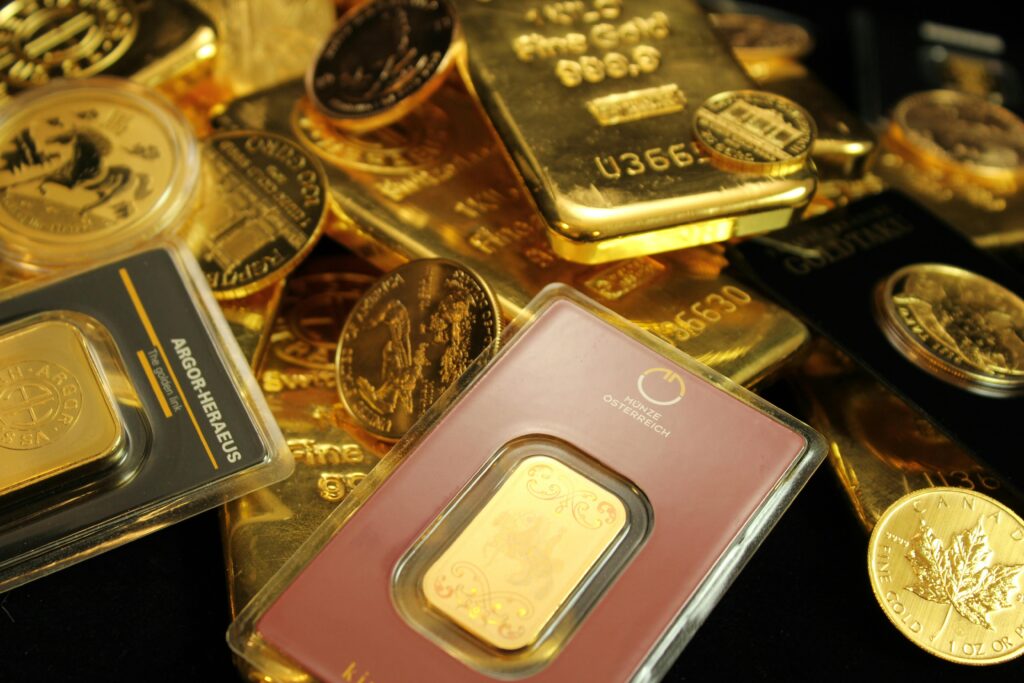
Physical gold is the most straightforward. Coins and bars, either in your hand or in a vault. The Royal Mint sells Britannia and Sovereign coins directly and because they’re UK legal tender they’re CGT exempt, which matters if you’re thinking about tax. The downsides are storage costs, insurance, and the spread between buy and sell prices which can be annoying on smaller amounts.
Most people end up using gold ETFs. You hold a fund that tracks the gold price, backed by physical metal sitting in a vault. iShares Physical Gold and Invesco Physical Gold are the two most used in the UK. You can hold them inside an ISA or SIPP which helps with tax. The trade off is you don’t own the metal, you own a share of a fund that does.
Gold mining stocks are a completely different thing. When gold rises miners often rise faster because profit margins expand quickly. But they come with management risk, operational problems, and political risk in whatever country they happen to be digging in. Buying a miner isn’t the same as buying gold. Worth being clear on that before going anywhere near them.
For a balanced portfolio somewhere between 5% and 10% in gold is where most people land. Enough to make a real difference when markets get difficult, not so much that you’re giving up years of equity growth when things are fine.
The Argument Against
Warren Buffett has never liked gold and his reasoning is straightforward. Gold doesn’t do anything. No dividends, no cash flow, no growing earnings. A good business compounds value every year. Gold sits in a vault.
Over long stretches of relative stability that argument holds up. The S&P 500 including dividends has beaten gold over most long time periods. If you’re in your twenties and investing for forty years, loading up on equities makes more sense than loading up on gold.
But gold isn’t supposed to be your best performer. It’s supposed to be the thing that doesn’t collapse when everything else does. Two financial crises, a pandemic, a European war, and the worst inflation in forty years, all in the last twenty years. Gold did its job through all of that.
Where Things Stand
£2,400 an ounce is a record and records make people nervous about buying. Fair enough. Gold has had long flat periods before. The 1980s and 90s were basically sideways while stocks boomed. Could easily happen again.
But government debt globally is at historic highs. Central banks are still buying. Geopolitical risk isn’t settling down. Real interest rates are still relatively low and that’s historically been a decent signal for gold.
Nobody can tell you whether it hits £3,000 next or drops to £2,000 first. What you can say is the reasons to hold some haven’t changed just because the price is higher. Diversification, inflation protection, something that holds up when paper assets don’t. That case is the same at £2,400 as it was at £800.
Five thousand years is a decent track record.
Iceburg Wealth does not provide regulated financial advice. Everything here is based on personal experience and research. Always do your own due diligence before making any financial decisions.