
In a world where property is often seen as the ultimate investment, it’s hard to ignore the growing problem of housing affordability. Across the globe, the dream of owning a home is slipping further out of reach for millions.
What Makes a Housing Market Unaffordable?
Before we explore the world’s priciest property markets, it’s important to understand what makes a housing market unaffordable. At its core, affordability is determined by the ratio of property prices to income levels. When property prices far outstrip average wages, it becomes difficult, if not impossible, for most people to buy a home. In an ideal world, homes should be affordable for a majority of the population, but in reality, this is increasingly rare.
In simple terms, housing becomes unaffordable when the average house price is more than 5-6 times the average annual income. Unfortunately, there are many places where this ratio is not just exceeded, but completely dwarfed.
The Unaffordable Housing Markets Around the World
1. Hong Kong – The World’s Least Affordable Housing Market
As of the latest data, Hong Kong remains at the top of the list as the world’s most unaffordable housing market. The price to income ratio in Hong Kong is a staggering 20.9, meaning that the average home costs over 20 times the average yearly income. With property prices continually climbing, it’s become almost impossible for younger generations to enter the property market without significant financial help.
For many, owning property in Hong Kong is simply out of the question. This has led to a growing divide between the wealthy property owners and the rest of the population, making Hong Kong’s real estate market a poster child for housing unaffordability.
2. Vancouver – A Struggle for First-Time Buyers
Vancouver, Canada, is another city where soaring property prices are making it increasingly difficult for locals to secure a home. With a price to income ratio exceeding 10, Vancouver is one of North America’s most unaffordable cities. The city’s housing market has been driven by a combination of limited supply, foreign investment, and local demand, pushing property prices to eye watering levels.
While Vancouver remains a desirable place to live due to its high quality of life and stunning natural surroundings, many residents are being priced out of the market, leaving them with few affordable housing options.
3. Sydney – The Australian Property Bubble
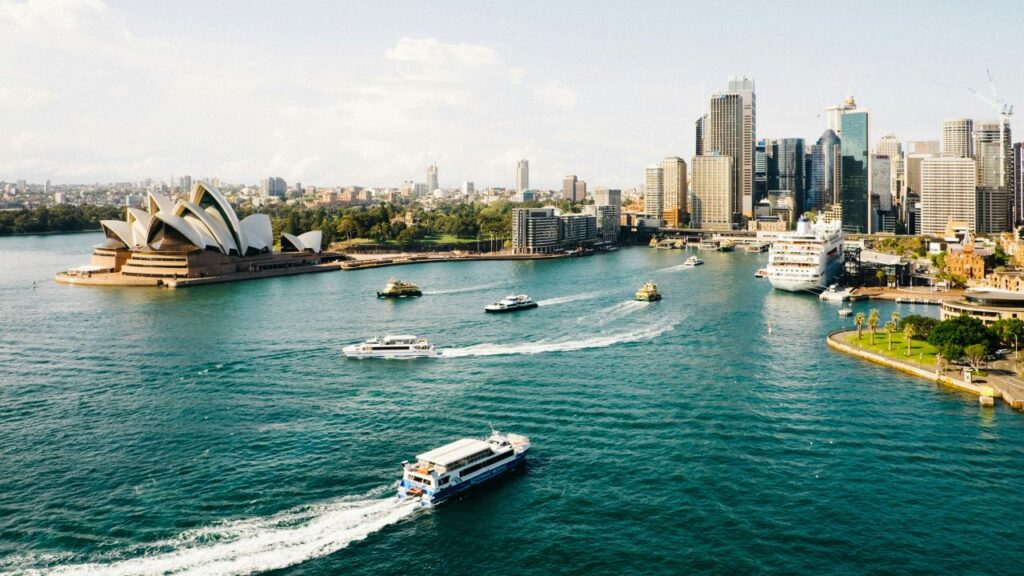
Australia’s largest city, Sydney, has been caught in a property price bubble for years. With property prices routinely exceeding 10 times the average salary, Sydney is one of the most unaffordable cities in the world. The demand for property in the city is driven by a combination of strong population growth, foreign investment, and limited land availability.
For young people hoping to buy their first home, Sydney has become a financial fortress that feels impossible to breach. With rising interest rates and high property taxes, breaking into the housing market has become a distant dream for many.
4. London – A Pricey Proposition for First Time Buyers
While London has long been a global financial hub, its property market is also one of the most expensive in the world. With house prices consistently surpassing 10 times the average income, many potential buyers are finding it harder to keep up with the rising costs. In particular, first time buyers are being squeezed out by unaffordable deposit requirements and rising mortgage rates.
London’s property market has seen significant foreign investment, and despite efforts to cool the market, the trend continues to push prices higher. For many people, owning property in the capital is no longer a feasible option.
5. Auckland – New Zealand
New Zealand’s largest city, Auckland, has witnessed a massive surge in property prices over the past decade. The price to income ratio in Auckland now exceeds 9, making it one of the most expensive cities in the world in relation to wages. The rapid increase in property values, combined with high demand, has made homeownership increasingly difficult for locals.
The affordability issue in Auckland has sparked a debate around housing policies, with many calling for changes to curb foreign investment and increase housing supply. Until these issues are addressed, however, Auckland’s housing market remains firmly beyond reach for many.
Why Housing Affordability Matters
The problem of unaffordable housing isn’t just about numbers. It affects the economy, societal stability, and individual wealth-building opportunities. When a large portion of the population is unable to afford a home, it creates a ripple effect that impacts consumer spending, investment, and even mental well being.
For investors, understanding these trends is crucial. Areas with unaffordable housing often signal an overheated property market that could be due for a correction. Similarly, renters in unaffordable markets might want to explore alternative investment options or look to relocate to more affordable regions.
How Can You Navigate These Markets.
The growing gap between property prices and wages worldwide is a critical issue that affects not only homeowners but also investors and renters. As housing markets in cities like Hong Kong, Vancouver, and London continue to push the limits of affordability, it’s clear that something needs to change. However, by staying informed and exploring alternative strategies, you can navigate these markets and secure your financial future.
Content on IceburgWealth.com is for informational purposes only and not intended as investment advice. While we strive to provide accurate and up-to-date information, Iceburg Wealth is not responsible for any errors or omissions, or for outcomes resulting from the use of this information. Readers should seek professional advice before making any financial decisions.