
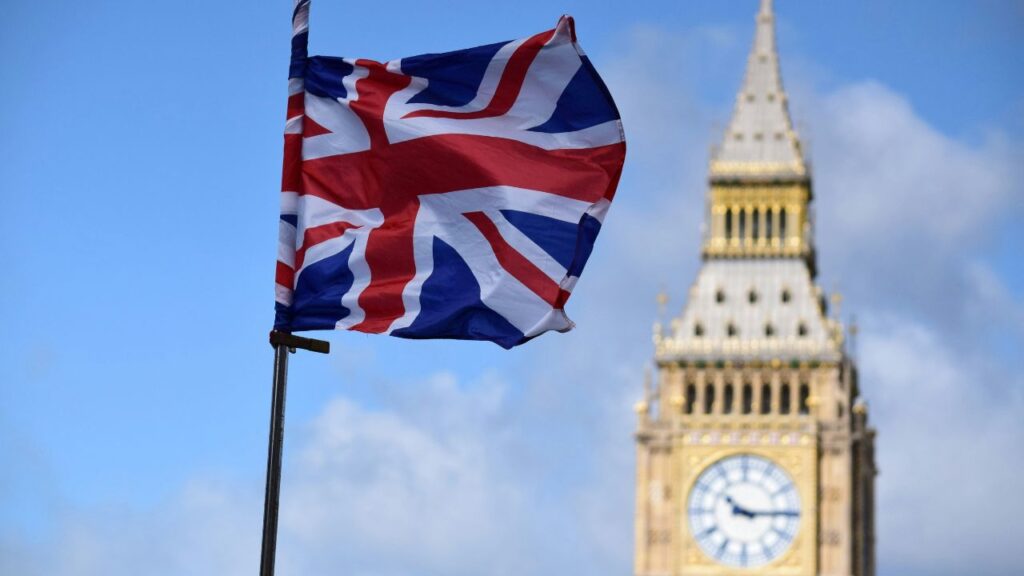
New Faces, Old Tensions: The 2025 UK–US Trade Dilemma
With Keir Starmer in Downing Street and Donald Trump on the verge of reclaiming the White House, the question on every investor and business owner’s mind is: will a UK–US trade deal finally happen?
It’s a deal that’s been dangling since Brexit hyped under Boris Johnson, stalled under Biden, and now back in the headlines. But can two political opposites like Starmer and Trump actually align on trade? And more importantly, what would it mean for UK business and global investment?
Why It Matters: The UK’s Need for a Trade Win
Let’s be blunt the UK needs a flagship trade deal. Post-Brexit trade growth has been sluggish, and Britain has struggled to fill the gap left by its EU departure. A bilateral agreement with the US could:
- Boost UK exports in tech, automotive, and pharmaceuticals
- Provide greater access for UK financial services in American markets
- Lower tariffs on agri-food, manufacturing, and digital goods
- Add political weight to Britain’s Global Britain narrative
Starmer, as Labour’s first PM in 14 years, is keen to present competence and global relevance. A trade agreement with the US the world’s largest economy would be a major political and economic win.
Starmer’s Approach: Calm, Predictable, Cautious
Starmer’s brand is moderation. He’s pro-business, pro-NATO, and keen to restore UK stability. His Chancellor, Rachel Reeves, has already met with Wall Street execs and signalled that Labour is ready to do business.
But when it comes to the US, Starmer will tread carefully. He’ll avoid anything that looks rushed, overly pro American, or hostile to UK regulation especially on food standards, data, and labour rights.
What Would Trump Actually Do?
Trump talks tough on trade always has. He pulled out of the TPP, slapped tariffs on allies, and loves a “deal” that makes headlines.
But beneath the bluster, he’s a transactional operator. If Trump sees value in cutting a deal with the UK especially to weaken the EU’s grip he’ll move fast. Expect:
- Hardball demands on agriculture and pharmaceuticals
- Pushes for US tech and data dominance
- “America First” clauses that could clash with UK standards
Trump may not love multilateralism, but he does love leverage. If Starmer gives him a clean win on American exports or defence cooperation, there’s a path to an agreement though likely one tilted toward US interests.
What It Means for Investors and Business
A UK–US deal even a limited one could unlock real upside for:
- Exporters: Especially in services, green tech, and defence
- Multinationals: Better cross border compliance and IP protections
- Currency markets: GBP-USD volatility tied to policy momentum
- Startups and fintechs: Easier regulatory pathways into the US market
Content on IceburgWealth.com is for informational purposes only and not intended as investment advice. While we strive to provide accurate and up-to-date information, Iceburg Wealth is not responsible for any errors or omissions, or for outcomes resulting from the use of this information. Readers should seek professional advice before making any financial decisions.