
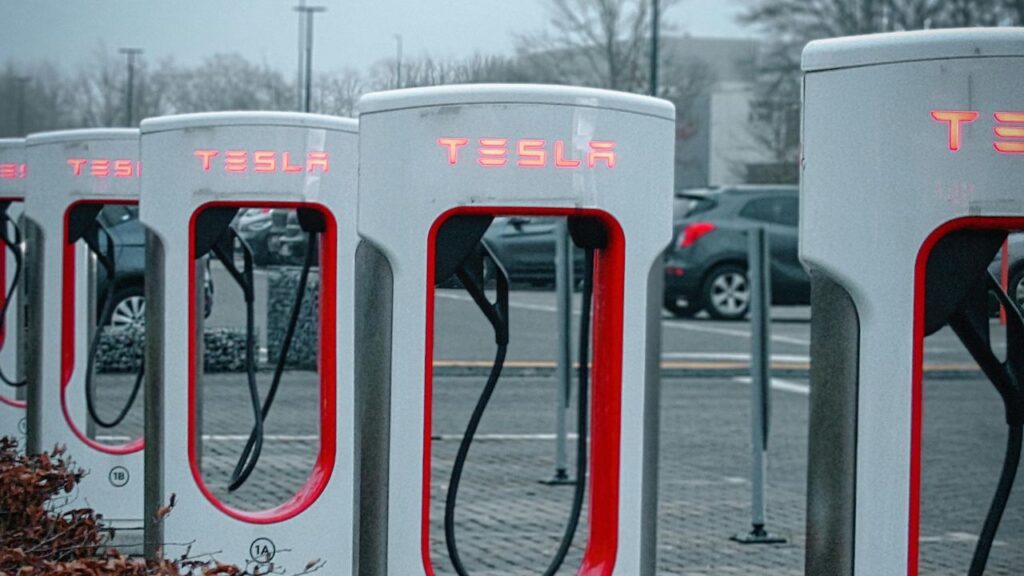
The EV sector is buzzing with potential in 2026, driven by tech advancements and shifting consumer demands. But with Tesla TSLA and Rivian RIVN leading the charge, which one’s worth your hard earned cash?
Electric Vehicle Market Trends: What’s Driving Growth in 2026?
The global EV market is set for explosive growth, with projections showing up to 116 million EVs on roads worldwide by year’s end. Battery electric vehicles could claim a 20% share of new car sales globally, fuelled by falling battery costs, better charging infrastructure, and policies pushing for greener transport. In China, EV sales growth might slow to around 10%, but emerging markets are leaping ahead, accelerating the shift from petrol guzzlers.
Closer to home, the US and Europe are ramping up with incentives and bans on internal combustion engines looming. This creates ripe EV investment opportunities for savvy punters. But competition is fierce think tariffs, inflation, and supply chain hiccups. So, let’s dive into Tesla vs Rivian to see who might dominate the electric vehicle market.
Tesla Stock Forecast 2026: The Established Powerhouse
Tesla remains the kingpin in the EV world, but 2025 was a bumpy ride. Deliveries dipped to 1.64 million vehicles, down 9% from 2024’s near 1.8 million. Q4 saw 418,227 units shifted, a 16% drop year on year. Revenue wise, automotive takings hit around $70.8 billion, with total revenue estimated lower due to market pressures.
Looking ahead, analysts are optimistic for Tesla stock in 2026. Deliveries could rebound to 1.75 million units, with revenue projected at $108.9 billion to $134 billion. EPS might hit $2.25 to $2.98. Key drivers? Robotaxi launches and energy storage growth, plus Cybercab production starting mid year. Tesla’s vertical integration keeps margins healthy at 18-20%, and with a forward P/E around 200x, it’s valued for growth but watch for autonomy execution risks.
If you’re after stability in EV stocks to buy, Tesla’s ecosystem (from software to superchargers) makes it a safe bet for 10-15% returns if market share holds.
Rivian Stock Analysis: The Upstart with Upside Potential
Rivian, the adventure focused EV maker, faced headwinds too. 2025 deliveries totalled 42,247, down 18% from 2024’s 51,579. Q4 saw 9,745 units delivered from 10,974 produced. Revenue climbed, with Q3 hitting $1.56 billion (up 78% YoY), pointing to a full year around $5 billion.
The real excitement for Rivian stock in 2026? The R2 SUV launch early on, priced at £35,000 ($45,000), targeting mass appeal with 45% lower costs than R1 models. Analysts forecast revenue jumping to $6.9 billion, with deliveries potentially doubling to over 80,000 as production ramps. Net losses might narrow to $3.66 billion, edging towards breakeven. Partnerships like Volkswagen’s investment bolster software revenue.
For risk takers, Rivian offers 30-50% upside if R2 succeeds, but volatility looms with ongoing losses.
Tesla vs Rivian: Picking the Winner for Your Portfolio
In the Tesla vs Rivian showdown, Tesla edges it for reliability, with stronger forecasts and market dominance. Rivian, though, could surprise as an underdog in electric vehicle investment opportunities.
Consider diversifying your investments for instance, allocating more to Tesla if you prioritise stability and market leadership, while dedicating a portion to Rivian for its higher growth potential. Alternatively, choose an ETF such as DRIV to achieve broader exposure across the EV sector without picking individual stocks.
Content on IceburgWealth.com is for informational purposes only and not intended as investment advice. While we strive to provide accurate and up-to-date information, Iceburg Wealth is not responsible for any errors or omissions, or for outcomes resulting from the use of this information. Readers should seek professional advice before making any financial decisions.