
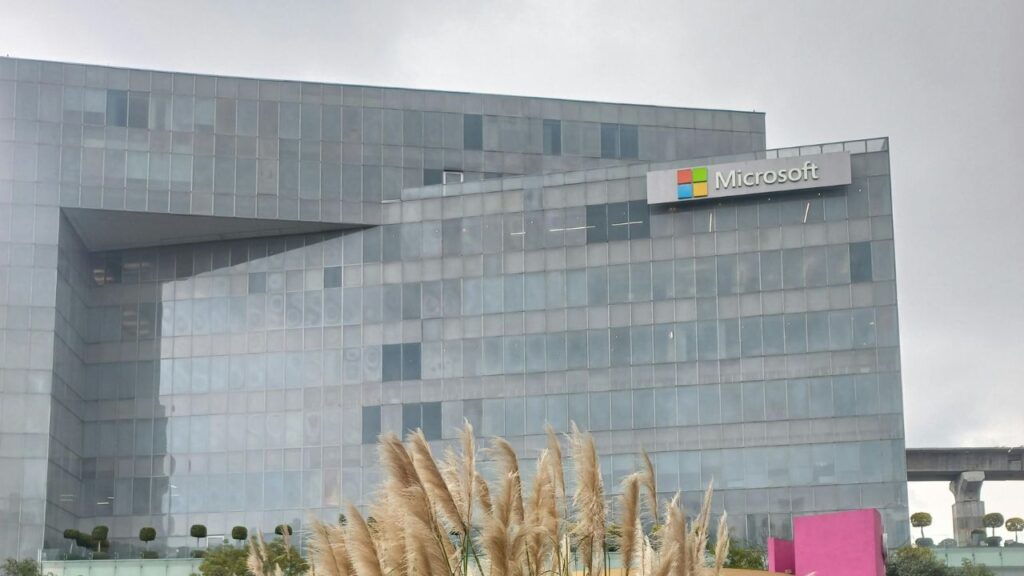
Microsoft hit a share price of around £427 in July 2025, based on the $555 high converted at current exchange rates according to CNBC market data. By April 2026 it had pulled back to around £285. That is a 33% drop from the high on one of the most recognisable companies in the world. The Microsoft share price has been rough and if you have been sitting on the fence about whether to buy it, the pullback either looks like a buying opportunity or a warning sign depending on how you read what is happening inside the business. Here is my honest take.
What Microsoft Is Actually Spending Its Money On
Microsoft committed to spending $80 billion building AI data centres in its 2025 financial year according to company president Brad Smith in a published blog post. That is roughly £62 billion at current exchange rates. It is a deliberate all in bet that AI infrastructure is the single most important place they can deploy capital right now. For context, that is nearly double what they spent on capital expenditure in 2023 according to Network World.
The reason comes down to two things. Azure, Microsoft’s cloud platform, grew 40% year on year according to Yahoo Finance earnings data. And Microsoft owns roughly 27% of OpenAI, a stake valued at approximately $135 billion according to the official Microsoft blog, which needs enormous amounts of compute power to run its models. Microsoft is essentially building the roads and charging OpenAI every time it uses them. That is a decent business to be in.
The Copilot Problem
Here is the bit that gives me pause. Microsoft has embedded its AI assistant Copilot across Office 365, Teams, Word, Excel and pretty much everything else it sells. The issue is that adoption is only sitting around 3.5% of Office 365 seats according to market analysis published by Ainvest. The vast majority of businesses paying for Microsoft software are not actually using the AI features yet. That is either a huge growth runway waiting to unlock, or a sign that people do not find it useful enough to bother with. Which way that goes will drive a lot of what happens to the share price over the next couple of years.
The Microsoft Share Price in Numbers
Revenue for Q2 of Microsoft’s 2026 financial year came in at $81.3 billion, roughly £62.5 billion, up 17% on the previous year according to Yahoo Finance. Operating margins are sitting around 47% according to the same source. The company also has a $625 billion revenue backlog according to Ainvest, meaning customers have already committed to paying Microsoft that money over coming years. $281 billion of that comes from OpenAI alone, locked in through 2032 according to the official Microsoft blog.
Microsoft also kicked off a $60 billion share buyback programme in April 2025 according to Ainvest, roughly £46 billion at current rates. That is the company using its own cash to reduce the number of shares in circulation and support the share price. Only businesses with serious cash generation can do that sustainably.
A Real Example in Pounds
Say you had put £5,000 into Microsoft shares in January 2023 when the stock was trading around £177 per share based on dollar price converted at the time. By July 2025 at the peak of around £427 per share, that £5,000 would have grown to roughly £12,000 based on the price movement alone, not counting dividends. By April 2026 with the shares around £285, that pot would have pulled back to around £8,000. Still a 60% return in just over three years on a business that was never going to zero.
The people who bought near the £427 high are currently sitting on a 33% paper loss. How you feel about that depends entirely on whether you think the business is worth more or less than £285 per share over the next five years.

Microsoft Share Price: Is It Actually Worth Buying Now?
The bear case is straightforward. Microsoft is spending enormous amounts on AI and the returns are not yet showing up meaningfully in the numbers. Copilot adoption is low. The macro environment is difficult and tech stocks have been sold off hard across the board in early 2026.
The bull case is also pretty clear. Revenue of £62.5 billion in a single quarter, 40% Azure growth, 47% operating margins, a £46 billion share buyback, a 27% stake in OpenAI and a committed revenue backlog of nearly £500 billion. Benchmark initiated a buy rating in April 2026 with a $450 price target, roughly £346 at current rates, specifically because Microsoft has started launching its own independent AI models through Azure rather than relying entirely on OpenAI according to Tradingkey. That reduces dependency on a single partner and increases long-term control of the AI stack. Q3 FY2026 earnings land on 29 April 2026 and strong Azure numbers could move the stock significantly.
The Motley Fool published analysis on 12 April 2026 describing the shares as trading at attractive levels. Multiple analysts tracked by Tradingkey have price targets ranging from £346 to well above current levels.
Microsoft Share Price: Questions People Are Actually Asking
Is Microsoft a Good Long Term Investment for UK Investors?
Microsoft has delivered exceptional long-term returns over the past decade according to Yahoo Finance historical data. It pays a dividend, buys back its own shares and has diversified revenue across cloud, software, gaming and AI. For a UK investor holding it inside a Stocks and Shares ISA, any gains are sheltered from capital gains tax. Whether the next decade matches the last depends heavily on whether AI monetisation kicks in at scale.
How Do UK Investors Buy Microsoft Shares?
You can buy Microsoft shares through any UK stockbroker or investment platform including Hargreaves Lansdown, AJ Bell or Trading 212. The ticker is MSFT on the NASDAQ. You can hold it inside a Stocks and Shares ISA to shelter gains from capital gains tax. Your annual ISA allowance is £20,000 according to HMRC.
Does Microsoft Pay a Dividend?
Yes. Microsoft pays a quarterly dividend of $0.91 per share according to CNBC market data, giving a yield of around 0.98% at current prices. The company has grown its dividend every year for over a decade. For most investors the total return from price appreciation matters more than the dividend income, but it is a sign of a business generating serious cash.
My Honest Take
Microsoft at £285 is a more interesting proposition than Microsoft at £427 was. The business has not changed. The AI infrastructure spend is real, the Azure growth is real and the revenue backlog is real. What has changed is that the market has got nervous about macro conditions and sold off tech broadly.
The one thing I am watching is Copilot adoption. If that moves from 3.5% of Office 365 seats to something meaningful over the next two years, the earnings numbers look very different and the share price will follow. If it does not, the valuation is harder to justify at any price.
I hold a position in Microsoft. I am not selling it.
Iceburg Wealth does not provide regulated financial advice. Everything here is based on personal experience and research. Always do your own due diligence before making any financial decisions.