
The Modern Wealth Illusion: Flash Isn’t Cash
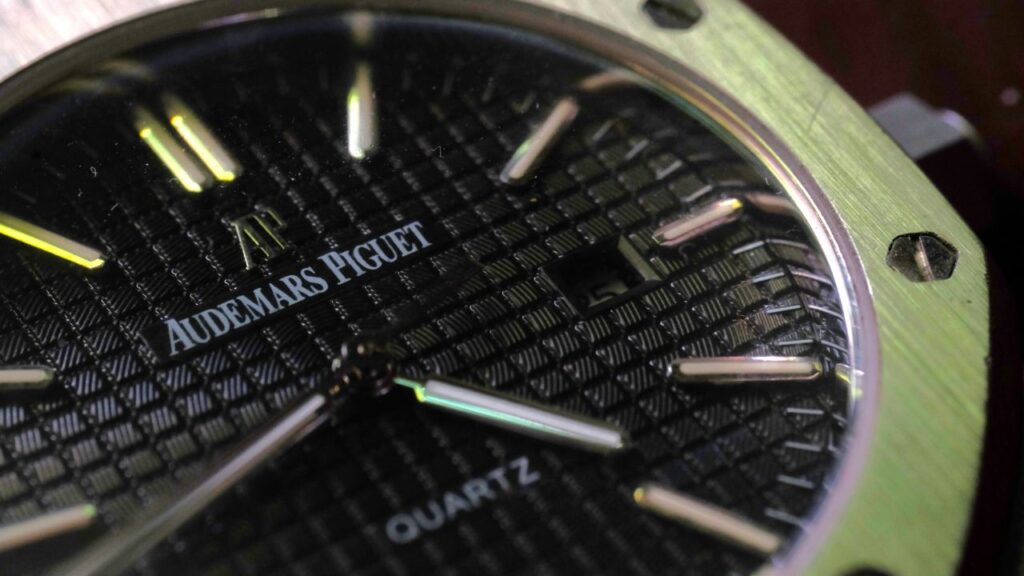
In a social media driven world, wealth is often mistaken for what people show off rather than what they actually own. Fast cars, Rolex watches, designer clothes these are commonly seen as symbols of success. But here’s the truth: those who flaunt wealth often haven’t built it.
What Is Invisible Wealth And Why It Matters
Invisible wealth is money and value that isn’t obvious to the public eye. It’s held in private assets, compounding investments, tax advantaged accounts, and cash flowing businesses. There’s no Instagram highlight reel for owning 12 rental units or having a £300K ISA portfolio. But these are the types of assets that build and preserve wealth long term.
The key idea is simple:
Invisible wealth isn’t about impressing others. It’s about buying back your time and future.
5 Reasons Why the Rich Don’t Signal Their Wealth
1. Signalling Wealth Is Expensive and Often Self Defeating
High-status spending cars, watches, restaurants tends to be consumptive, not productive. That new £100K car? Depreciates by 20% the moment it’s driven. Meanwhile, the man driving a 5 year old Volvo might be sitting on a £1.2M equities portfolio.
2. Privacy Is a Form of Financial Security
The fewer people who know what you have, the less exposure you face from theft, lawsuits, or even family pressure. Rich people don’t advertise what they own because doing so invites risk.
3. Wealth Preservation Is the Priority
The wealthy think generationally. They prioritise compound growth, legal tax avoidance, and capital protection over flexing on strangers. Their motto? “Grow quietly. Move strategically.”
4. The Rich Know Value Beats Vanity
Spending £300 on a meal might feel impressive, but that same £300 invested monthly in a global index fund from age 25–45 could grow to over £180,000. That’s the stealth wealth mindset valuing future gains over short term thrills.
5. They’ve Seen What Real Wealth Looks Like And It’s Boring
Ultra high net worth individuals often live modestly. Warren Buffett still lives in the same Omaha house he bought in 1958. Many UK landlords quietly hold £5M+ in property but wear £20 jeans and drive used cars.
How to Build Invisible Wealth in Real Life
Start With Assets, Not Appearances
Forget the car. Focus on assets that generate cash flow, appreciate in value, or both: property, index funds, private businesses, REITs, and high yield bonds.
Automate, Reinvest, Repeat
Set up automated investments through SIPPs, ISAs, or general investment accounts. Let compound interest do the heavy lifting
Protect and Structure Your Wealth Early
Use tools like holding companies, family investment companies, and trusts to legally shield and grow your assets. Speak to a tax adviser who understands wealth structuring in the UK.
Keep Your Lifestyle Below Your Income
This is key. If you earn £100K but live like you earn £60K, that margin is where wealth is built. Lifestyle creep is the silent killer of financial freedom.
Think in Decades, Not Days
Wealth is a long game. Ten years of discipline will outperform one year of flash.
Invisible Wealth vs. Lifestyle Inflation
Invisible Wealth
- Quiet accumulation of assets
- Financial independence as the goal
- Legacy and freedom driven
- Boring to outsiders, powerful under the surface
Lifestyle Inflation
- Spending rises with income
- External validation as the motive
- Debt, stress, and instability
- Looks rich, ends up broke
The choice is yours.
Why we Champions the Invisible Route
We advocate for real, quiet, lasting wealth. Our mission is to equip our readers with strategies to build wealth that compounds silently no bragging, no branding, just results.
Content on IceburgWealth.com is for informational purposes only and not intended as investment advice. While we strive to provide accurate and up-to-date information, Iceburg Wealth is not responsible for any errors or omissions, or for outcomes resulting from the use of this information. Readers should seek professional advice before making any financial decisions.