

Investing in Art and Collectibles: Can You Actually Make Money?
A vintage Rolex bought for £3,000 in 2015 could be worth over £7,000 today. Luxury watches have appreciated by more than 125% over the past decade, according to the Knight Frank Wealth Report. That’s not a bad return for something sitting in a drawer. But before you start bidding at auction or buying up classic cars, there’s a lot worth understanding about this asset class first.
What Are Alternative Investments and Why Do People Buy Them
Alternative investments are anything outside the traditional world of stocks, bonds, and cash. Art, classic cars, watches, wine, rare trainers, trading cards, NFTs. Things that have value because people want them and supply is limited.
The appeal is obvious. You own something physical, something you can look at or drive or wear. And unlike a stocks and shares ISA, the value isn’t flashing up on your phone every five minutes making you anxious. But that same lack of transparency cuts both ways, which I’ll get to.
People invest in collectibles for a few reasons. They can act as a hedge against inflation because their value tends to hold when paper money loses purchasing power. They add genuine diversification to a portfolio. And for a lot of people, there’s real enjoyment in owning something you’re passionate about, whether that’s art, a classic car, or a watch collection.
The Returns: What the Data Actually Says
Let’s look at what these assets have actually done.
Classic Cars
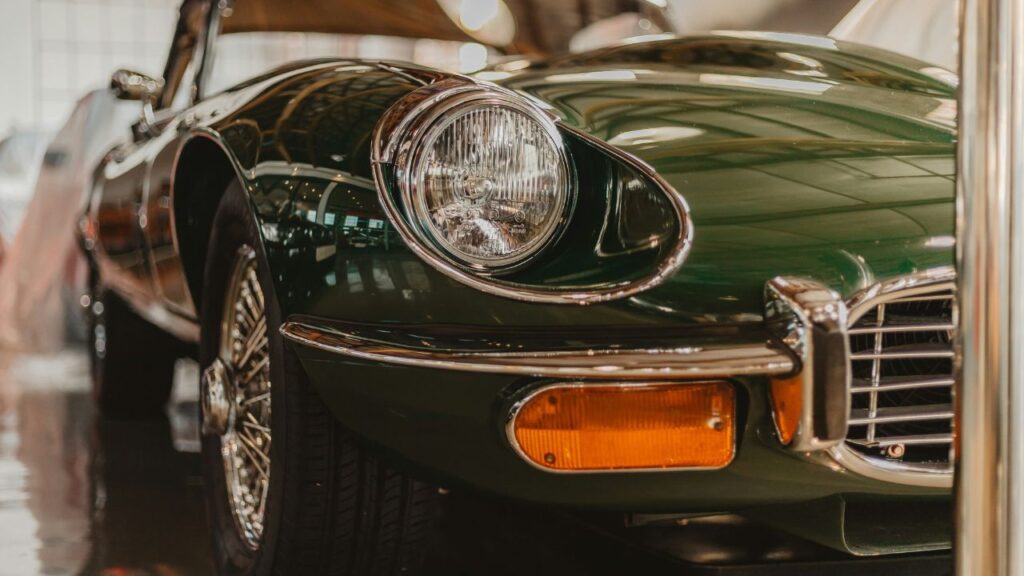
Classic cars have grown in value by around 185% over the last decade according to the Knight Frank Wealth Report, which puts them ahead of art, wine, and watches over the same period. However, the broader classic car market saw an overall shrinkage of around 6% in 2024, which shows how quickly conditions can shift. Buying the right car at the right time matters enormously.
Watches
Luxury watches appreciated 125% over the past decade. Brands like Patek Philippe, Rolex, and Audemars Piguet have held value particularly well. In 2024 growth slowed to around 1.7%, according to the 2025 Luxury Investment Index, which suggests the post pandemic watch boom has cooled off. That doesn’t mean watches are a bad investment, it means the frenzied period of 2021 to 2022 where flippers were making 50% in months isn’t the baseline.
Art and Handbags
Luxury handbags, particularly Hermès Birkins, have shown 85% appreciation over the past decade and led all collectible categories in 2024 with 2.8% growth according to Knight Frank. Fine art returns vary enormously. Some pieces sell for multiples of their purchase price. Others sit in storage for years and go for less than was paid. The variance is huge, which is the key thing to understand.
The Risks Nobody Talks About Enough
This is where I want to be straight with you because a lot of content about alternative investments glosses over the downsides.
Liquidity
You cannot sell a painting the same day you decide you want cash. Art and collectibles are illiquid assets. Finding a buyer, going through an auction house, waiting for the right moment to sell this can take months or years. If you need money quickly, you may have to sell at a loss or not at all.
Costs
Auction houses typically charge buyers a premium of 15% to 25% on top of the hammer price. There are storage costs, insurance costs, restoration costs for some items, and authentication costs. These eat into your returns significantly and are rarely mentioned in the headline figures.
Fakes and Fraud
The art market in particular has a serious problem with forgeries. The same applies to watches, rare wine, and signed memorabilia. Provenance matters enormously and getting it wrong is expensive. Always buy from reputable sources with verifiable documentation.
No Income
Unlike shares that pay dividends or property that generates rent, collectibles produce no income until you sell. Your money is tied up earning nothing while you wait for appreciation.
How to Get Started Without Getting Burned
If you want exposure to this asset class, start small and buy things you genuinely understand and care about. If you’ve been into watches for years, you’ll make better decisions in that market than someone who’s just heard it’s a good investment.
A sensible approach for a beginner would be to allocate no more than 5% to 10% of your investment portfolio to alternative assets. So if you have £20,000 invested, that’s £1,000 to £2,000 into collectibles, not your entire pot.
There are also platforms like Rally and Masterworks that allow fractional ownership of collectibles, meaning you can invest smaller amounts without buying a whole asset. Returns on the Rally platform have ranged from -30% to over 1,200% on individual items according to their own data, which tells you everything you need to know about the variance involved.
FAQ
Is investing in art and collectibles worth it for regular people? It can be, but it should be a small part of a diversified portfolio, not the whole strategy. The returns can be strong but the risks, costs, and illiquidity make it unsuitable as a primary investment vehicle. Start small with something you know well.
What collectibles hold their value best? Historically, classic cars, luxury watches from top brands, and fine art by established artists have performed best over the long term. But past performance isn’t guaranteed and individual items vary enormously.
Do I need a lot of money to invest in art and collectibles? Not anymore. Platforms like Masterworks and Rally allow fractional investment in art and collectibles for much smaller amounts. That said, the fees on these platforms can be significant so read the small print carefully.
Investing in art and collectibles can be genuinely rewarding, both financially and personally. The key is going in with your eyes open about the costs, the risks, and the time horizon. It’s not a shortcut to quick returns. Done right, with patience and knowledge, it can be a solid addition to a broader investment strategy.
Iceburg Wealth does not provide regulated financial advice. Everything here is based on personal experience and research. Always do your own due diligence before making any financial decisions.