
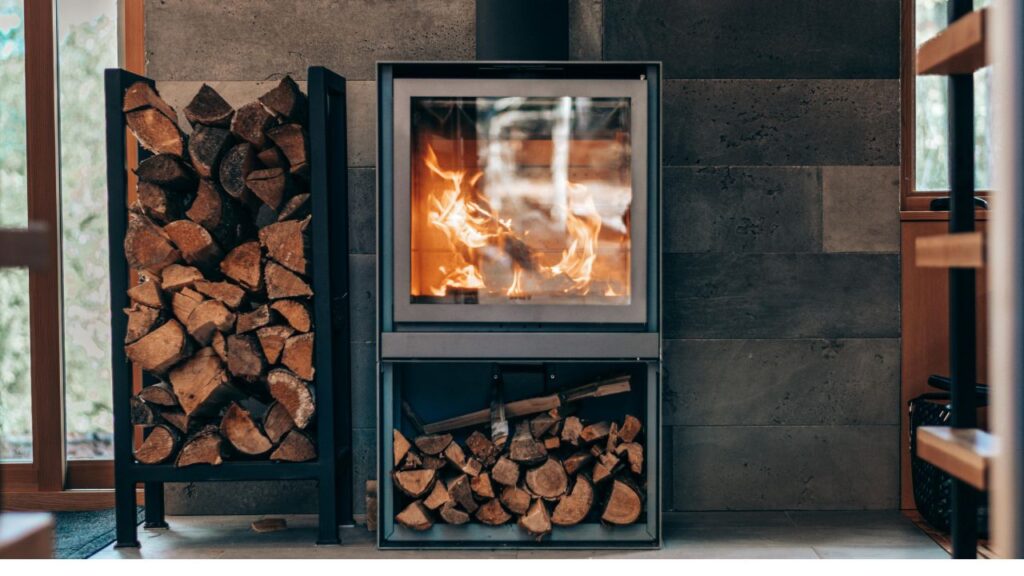
With energy bills still painfully high across the UK, it’s no surprise that log burners are having a serious moment. Walk down any suburban street and you’ll spot the flue pipes poking out of rooftops. Everyone seems to have one or want one. But here’s the question nobody seems to answer properly: do log burners actually save you money, or are they just an expensive lifestyle purchase dressed up as a smart financial decision?
What Does a Log Burner Actually Cost to Install?
Before you even think about savings, you need to know what you’re getting into upfront. The average cost of installing a log burner in the UK in 2026 sits between £1,500 and £4,000, depending on the stove you choose, whether you need a new flue liner, and the complexity of the installation.
A decent mid range stove from a reputable brand will set you back around £800 to £1,500 for the unit alone. Installation on top of that typically runs between £500 and £1,500. If your chimney needs relining, add another £500 to £1,000. So realistically, you’re looking at around £2,000 to £3,500 all in for a solid, properly installed setup.
That’s not a small number. And it’s the figure most log burner enthusiasts conveniently gloss over when they tell you how much they’re saving on their heating bill.
How Much Does It Cost to Run a Log Burner?
Running costs depend almost entirely on your fuel source. Seasoned hardwood logs are the most common choice, and a decent quality load delivered to your door will typically cost between £120 and £200 per cubic metre in 2026. Most households burn through two to four cubic metres across a full heating season, putting annual fuel costs somewhere between £240 and £800.
Kiln dried logs are more efficient and burn hotter and cleaner, but they cost more, often £180 to £250 per cubic metre. For many people the extra efficiency justifies the price, particularly given the UK’s tighter regulations around moisture content in wood fuel under the Ready to Burn scheme.
If you have access to free or cheap wood, perhaps from a rural property, a local farmer, or woodland management work, the economics shift dramatically in your favour. Some people genuinely do run their log burners for next to nothing. For most urban and suburban households though, that’s not a realistic scenario.
Can a Log Burner Actually Replace Your Central Heating?
This is where expectations need to be managed carefully. A log burner heats the room it sits in very effectively. A good 5kW stove can heat a reasonably sized living room to a comfortable temperature even on the coldest nights, and the radiant heat feels noticeably different, and many would say nicer, than the dry warmth from a radiator.
What a log burner cannot do, in most homes, is replace central heating entirely. Bedrooms, bathrooms, and rooms far from the stove will still need heating through your boiler or another source. The realistic use case for most households is running the log burner as the primary heat source in the main living area during evenings, while turning the central heating down or off in that zone.
Done consistently, that approach can meaningfully reduce your gas or electricity consumption. Energy experts estimate that households using a log burner as a supplementary heat source in this way can cut their central heating usage by 10% to 25% depending on the home’s layout, insulation quality, and how often the stove is used.
So Does It Actually Save You Money?
Now for the number that matters. Based on average UK energy prices in 2026 and typical usage patterns, a household spending around £1,800 per year on gas central heating could realistically save between £180 and £450 annually by supplementing with a log burner, assuming wood fuel costs of around £400 to £500 per season.
That means on a £2,500 installation, you’re looking at a payback period of roughly five to ten years before the stove has paid for itself in savings alone. That’s a long time. And it assumes fuel costs stay stable, which they may not.
The honest answer is that a log burner is unlikely to save you significant money in the short term. Over a ten to fifteen year lifespan, a quality stove can absolutely represent good value. But anyone telling you it will slash your bills within a year or two is either very lucky with cheap fuel or not being straight with you.
What About the Eco and Regulatory Side?
Worth knowing: the UK government has tightened regulations on wood burning stoves significantly over recent years. Only Ecodesign Ready stoves are now recommended for new installations, and these must meet strict emissions standards. Burning wet or unseasoned wood is now effectively banned in smoke control areas under the Clean Air Strategy.
The regulatory landscape matters financially too. If you install a non compliant stove or burn non compliant fuel in a smoke control zone, you could face fines. Always check whether your area is a designated smoke control zone before buying.
Is a Log Burner Worth It in 2026?
For the right household, absolutely. If you heat your home heavily through winter, have a well insulated living space, and can source reasonably priced kiln dried or seasoned wood, a log burner makes genuine financial sense over the long term. The warmth, the ambience, and the reduced dependence on gas are all real benefits.
For households looking for a quick return on investment, or those in poorly insulated homes where heat escapes quickly, the numbers are harder to make work.
A log burner is a good long term investment for the right home, but go in with realistic expectations, budget properly for installation, factor in annual fuel costs, and don’t let the romance of a real fire cloud your financial judgement.
Content on IceburgWealth.com is for informational purposes only and not intended as investment advice. While we strive to provide accurate and up-to-date information, Iceburg Wealth is not responsible for any errors or omissions, or for outcomes resulting from the use of this information. Readers should seek professional advice before making any financial decisions.