
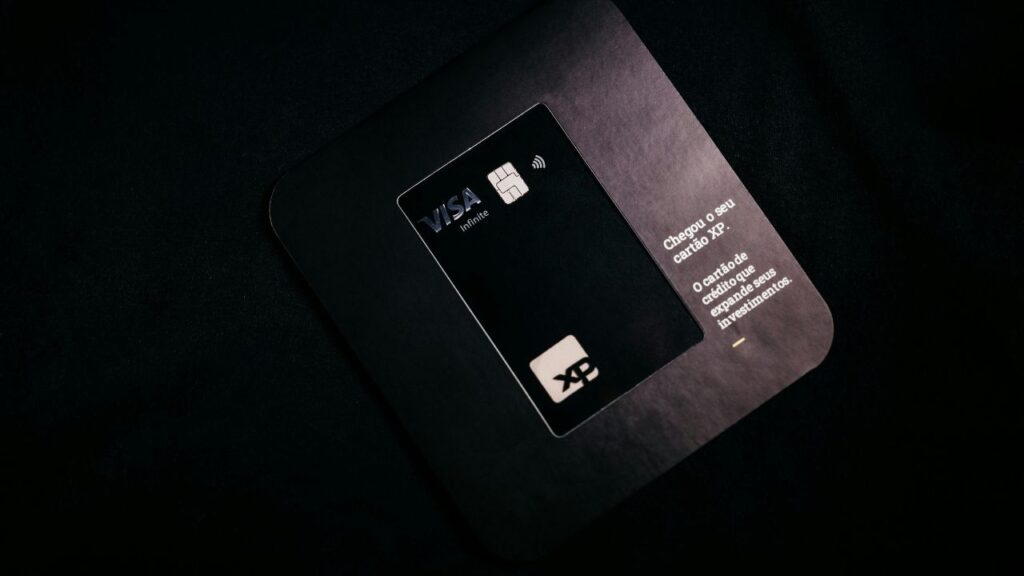
Digital banks have gone from novelty to normal in the space of a few years. Millions of people in the UK now use Monzo, Starling or Chase as their main account, and the numbers keep growing. However, are they actually better than a traditional bank, or are they just better at marketing? Here’s the honest breakdown of whether switching to a digital bank is worth it in 2026.
What Is a Digital Bank?
A digital bank, sometimes called a neobank or challenger bank, is a bank that operates entirely through an app with no physical branches. You open your account on your phone, manage your money through the app and contact support via chat rather than visiting a branch.
The biggest names in the UK right now are Monzo, Starling and Chase. All three are fully regulated UK banks covered by the Financial Services Compensation Scheme, meaning your money is protected in exactly the same way as it would be with Barclays, HSBC or Lloyds. Money Age That’s an important point. A lot of people still assume their money is less safe with a digital bank. It isn’t.
Why Are So Many People Switching?
FCA data shows that nearly one in twelve of all personal current accounts in the UK are now held with a digital bank such as Monzo or Starling, with innovation, ease of use and customer service cited as the key reasons people are making the switch. Money Age
The features that tend to win people over are real-time spending notifications, automatic spending categorisation, savings pots you can name and set targets for, and fee free spending abroad. For anyone who has been stung by foreign transaction fees on a high street bank card, that last one alone is often enough to make the switch.
On top of that, opening an account takes around five minutes on your phone. No branch visits, no paper forms, no waiting a week for a card to arrive. For a generation that does everything online, that experience feels like the standard, not the exception.
Monzo vs Starling vs Chase: Which One Is Right for You?
All three are solid, but they suit slightly different people.
Monzo is the most feature rich option for day to day budgeting. Its app provides real-time spending insights, savings pots and early salary access, along with a split-bill feature that makes shared expenses far easier to manage. Monzo also offers paid tiers with additional perks for those who want more, but the free account covers most people’s needs comfortably.
Starling is the cleaner, more minimal option. It has won Best Bank of the Year three years in a row and edges out Monzo on customer service, pricing and overall account quality. It also offers a genuinely strong business account, making it the go-to choice for anyone who is self-employed or running a side income alongside their day job.
Chase is the newest of the three, launched in the UK by JP Morgan in 2021. It offers 1% cashback on everyday spending for the first year alongside the chance to earn 5% AER in a linked round up savings account, making it a strong option for those focused on cashback and rewards. However, it doesn’t support international payments, which is worth knowing if you send money abroad regularly.
The Downsides Nobody Talks About
Digital banks aren’t perfect. There are a few genuine limitations worth knowing before you commit.
No branches. This sounds obvious, but it matters when something goes wrong. If your card is cloned or you’re locked out of your account, you’re relying entirely on in-app chat. Most of the time this is fine. Occasionally it tests your patience.
Cash deposits are awkward. Cash deposits cost 0.7% for balances over the £1,000 annual limit with Starling, compared to a flat £1 per deposit with Monzo. Neither option is as seamless as walking into a branch. If you regularly deal with cash, that friction is worth factoring in.
Mortgage lenders are catching up, but not all are there yet. A handful of older lenders still scrutinise digital bank statements more closely than those from high street banks. This is changing fast, but if you’re planning a mortgage application in the near future, it’s worth being aware.
Customer service can be inconsistent. Starling and Monzo have both faced FCA penalties in recent years for historical financial crime control issues. Both fully cooperated with regulators and say they have made the relevant improvements, and both continue to be recommended by consumer groups for day to day banking. However, it’s useful context when weighing up your options.
Should You Switch Completely or Use Both?
The honest answer for most people is both, at least to start with.
Keep your salary going into your main high street account if that’s where your direct debits and standing orders are set up. Open a Monzo or Starling account and use it for day to day spending. Move your weekly budget across on a Monday and spend from there. The real-time notifications and automatic categorisation give you a level of visibility that a traditional bank app simply doesn’t match.
Step 1: Open a free Monzo or Starling account
Takes around five minutes on your phone. No credit check required for the basic current account.
Step 2: Use it for day to day spending for one month
Set a weekly budget pot and spend exclusively from that. Let the categorisation work in the background.
Step 3: Review your spending at the end of the month
You’ll likely spot patterns you weren’t aware of. That visibility alone tends to change behaviour.
Step 4: Decide whether to make it your main account
If the experience works, use the Current Account Switch Service to move everything across. It takes seven working days and is fully guaranteed.
Digital banks are genuinely better than traditional banks for day to day money management in 2026. The budgeting tools, real-time notifications and fee free foreign spending make them a practical upgrade for most people. However, they work best as part of a broader financial setup rather than the only account you hold. Open one, use it properly for a month, and let the experience speak for itself.
Content on IceburgWealth.com is for informational purposes only and not intended as investment advice. While we strive to provide accurate and up-to-date information, Iceburg Wealth is not responsible for any errors or omissions, or for outcomes resulting from the use of this information. Readers should seek professional advice before making any financial decisions.