
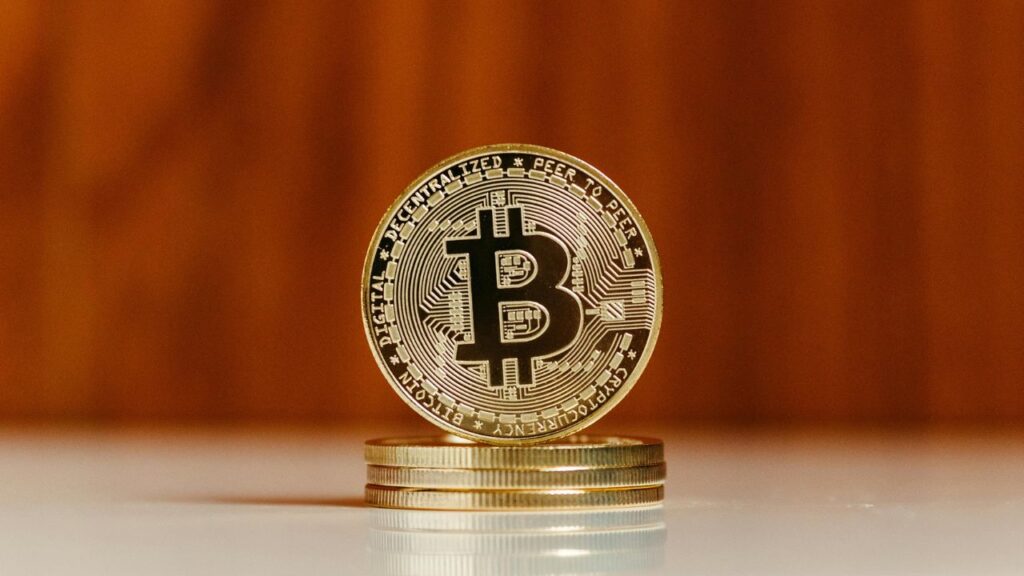
I checked my phone in October 2025 and Bitcoin was at £93,528. I sat with that for a minute. Then over the next few months I watched it pull back to around £50,000 and the usual crowd started posting that it was over. Same as 2018. Same as 2022. The Bitcoin price in 2025 followed a pattern I have seen before and if you have been in this long enough you either held through it or you did not. There is not much middle ground with Bitcoin.
Here is what I actually think happened and where I think it goes from here.
The Bitcoin Price in 2025 Was Driven by Different Money
The 2021 cycle was retail. Bored people at home with stimulus cash and too much time on Twitter. I remember it well. It went parabolic and then it collapsed because retail money is emotional money. People buy when it feels good and sell when it hurts.
2025 was different in a way that actually matters. According to River, institutions added around 829,000 BTC across the year. Sovereign wealth funds in Luxembourg and Saudi Arabia became new Bitcoin holders according to the same source. Twenty three nation-states now hold Bitcoin. BlackRock’s Bitcoin ETF accumulated over $50 billion in assets according to Datos Insights. When the world’s biggest asset manager is building a Bitcoin position that is not a speculative trend. That is the asset class maturing whether people like it or not.
Bitcoin ETFs pulled in $18.4 billion in the first five months of 2025 according to CoinLaw. Registered investment advisors put close to $1.5 billion per quarter into Bitcoin ETFs over the past two years according to River and not one of those quarters saw net outflows. Sovereign wealth funds and pension allocators do not panic sell because a chart looks ugly for a few weeks. That changes the floor under this asset compared to every previous cycle.
What Actually Happened to the Bitcoin Price in 2025 in Pounds
It started the year around £80,000, hit £93,528 in October according to CoinGecko, then fell back to around £50,000 to £53,000 by early 2026. A lot of people looked at that pullback and felt sick. I get it. But Bitcoin dropped 80% in 2018 and 75% in 2022 and both times the people who held came out the other side significantly up. According to CoinLaw, 72% of Bitcoin’s total supply has not moved in over a year. The long term holders are not selling. They have seen this before.
What £5,000 Actually Looked Like Through 2025
Put £5,000 into Bitcoin in January 2024 when it was around £32,000 per coin according to CoinGecko historical data. At the October 2025 high of £93,528 that £5,000 was worth roughly £14,600. By early 2026 with Bitcoin sitting around £53,000 it had pulled back to around £8,200. Still a 64% return in just over two years on money that was doing nothing in a savings account.
The only way you missed that return was by selling somewhere in the middle when the price dropped and the headlines turned ugly. I have watched people do it every single cycle. They buy when it is exciting, hold when it is rising, then sell the moment it corrects because they cannot handle the discomfort. Then they buy again near the next top. It is an expensive habit.
Bitcoin Price 2025: Where I Think This Goes
I am not going to give you a price target. Anyone doing that with confidence is either guessing or selling something. What I will say is that the setup going into 2026 is more structurally sound than anything I have seen in previous cycles.
Grayscale’s December 2025 outlook called for a new all-time high in the first half of 2026 driven by institutional inflows and regulatory clarity. Analysts tracked by InvestingHaven have pointed to a range of $125,000 to $175,000 in dollar terms as a reasonable base case for the year. The next halving lands in April 2028 and cuts the rate of new Bitcoin supply in half. Every previous halving has preceded a significant price move. The difference this time is that institutional money is already in the market at scale before the halving even happens. That combination has never existed before.
None of that means it cannot drop 40% tomorrow. It absolutely can. That is the deal with Bitcoin and you either accept that or you find something else.
Bitcoin Price 2025: Questions I Get Asked a Lot
Is It Too Late to Buy Bitcoin?
People asked this at £8,000. They asked it at £20,000 and £40,000. The ones who bought at those prices and held are not asking it now. Whether it is too late for you comes down to one thing. How much can you put in and genuinely forget about for three to five years without it affecting your life if it went to zero. That is your Bitcoin number. Not a penny more.
Where Do UK Investors Actually Buy It?
Kraken and Coinbase are both FCA registered according to the FCA register and are the two I would point most people towards. Do not leave anything significant sitting on an exchange long term. A Ledger hardware wallet means you hold your own coins rather than trusting someone else to hold them for you. If you want exposure without the hassle of self-custody, a Bitcoin ETP through Hargreaves Lansdown gives you price movement through a normal brokerage account.
What About Tax?
HMRC treats Bitcoin as a capital asset and gains above your annual allowance are taxable according to HMRC guidance. The CGT allowance is £3,000 for 2024/25. If you have made real money this cycle you need to declare it on self-assessment. HMRC has been requesting data directly from exchanges. It is not something you can quietly ignore.
What I Actually Do
I hold a position I could watch drop 50% without losing sleep or changing anything about how I run my life. That is it. I do not trade it, I do not try to time the tops and bottoms and I do not check the price every day. I bought, I stored it properly and I left it alone.
Work out what that number looks like for you. Buy it once. Store it somewhere safe. Then go and focus on the things that actually pay your bills today and let the Bitcoin do whatever it is going to do over the next five years.
Iceburg Wealth does not provide regulated financial advice. Everything here is based on personal experience and research. Always do your own due diligence before making any financial decisions.