
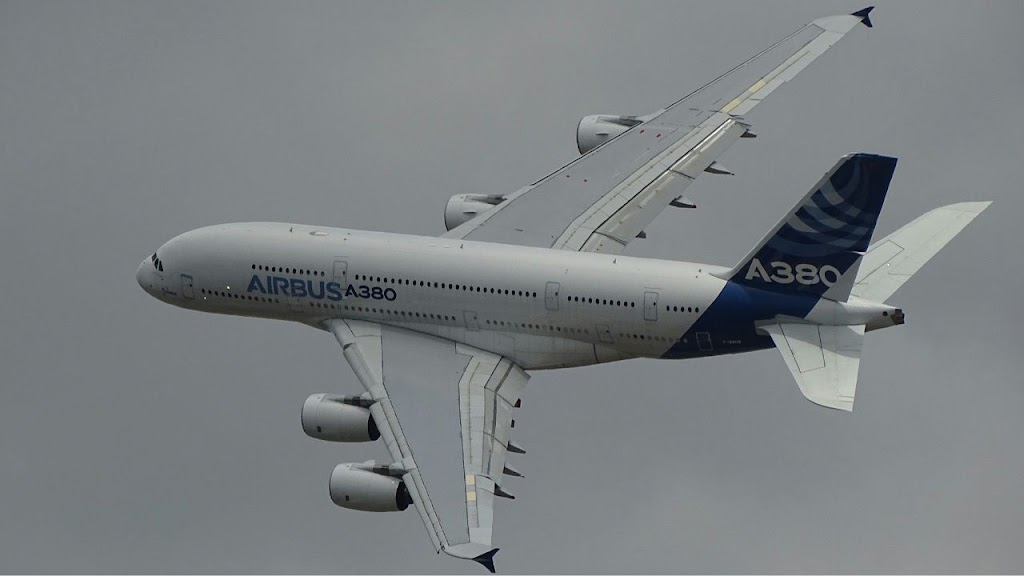
Airbus, the European aerospace giant, has announced an increase in aircraft deliveries for 2024, despite falling short of its ambitious initial target.
Delivery Numbers: Progress Amid Challenges
Airbus delivered 740 aircraft in 2024, up from 661 in 2023 a solid improvement reflecting recovery in the aviation sector. The company missed its original target of 770 deliveries, falling short by 30 planes.
The shortfall has been attributed to ongoing supply chain disruptions and labour shortages, which have slowed the production rates of key aircraft models, including the A320neo family. Despite these hurdles, Airbus’s growth in deliveries demonstrates the company’s ability to adapt and increase output in a challenging environment.
Surging Demand for New Aircraft
Airbus’s increased deliveries are driven by a sharp rebound in air travel demand, especially in regions like Asia and the Middle East. Airlines are eager to modernise their fleets with fuel efficient planes as they aim to reduce operating costs and carbon emissions.
Key highlights include:
- A320neo Family Dominance: The A320neo series continues to be a top seller, making up over 70% of deliveries. These single aisle planes are highly sought after for their fuel efficiency and operational flexibility.
- Widebody Recovery: Deliveries of widebody jets, including the A350, have also seen an uptick as international long haul travel recovers.
Why Airbus Fell Short
Despite the increase in deliveries, Airbus missed its target due to several key factors:
- Supply Chain Constraints: Delays in securing critical components, such as engines and avionics, have slowed production timelines.
- Labour Shortages: Recruitment and training bottlenecks in certain regions have impacted production capacity.
- Logistical Issues: Challenges in coordinating with suppliers and transporting parts globally have compounded delays.
Investor Takeaways
Airbus’s performance in 2024 highlights both opportunities and risks for investors:
- Strong Market Demand: With airlines eager to modernise fleets, Airbus is well positioned to benefit from a sustained order pipeline. The company reported a backlog of over 7,300 aircraft at the end of 2024, ensuring stable revenue visibility for years to come.
- Operational Challenges: Ongoing supply chain and labour issues may continue to weigh on production rates, potentially affecting short term profitability.
Risks to Watch
While Airbus’s outlook is optimistic, there are risks investors should watch:
- Economic Uncertainty: Rising interest rates and economic issues could dampen airline spending on new planes.
- Competition: Boeing remains a big competitor, particularly in the widebody market, where it has gained ground.
Content on IceburgWealth.com is for informational purposes only and not intended as investment advice. While we strive to provide accurate and up-to-date information, Iceburg Wealth is not responsible for any errors or omissions, or for outcomes resulting from the use of this information. Readers should seek professional advice before making any financial decisions.