
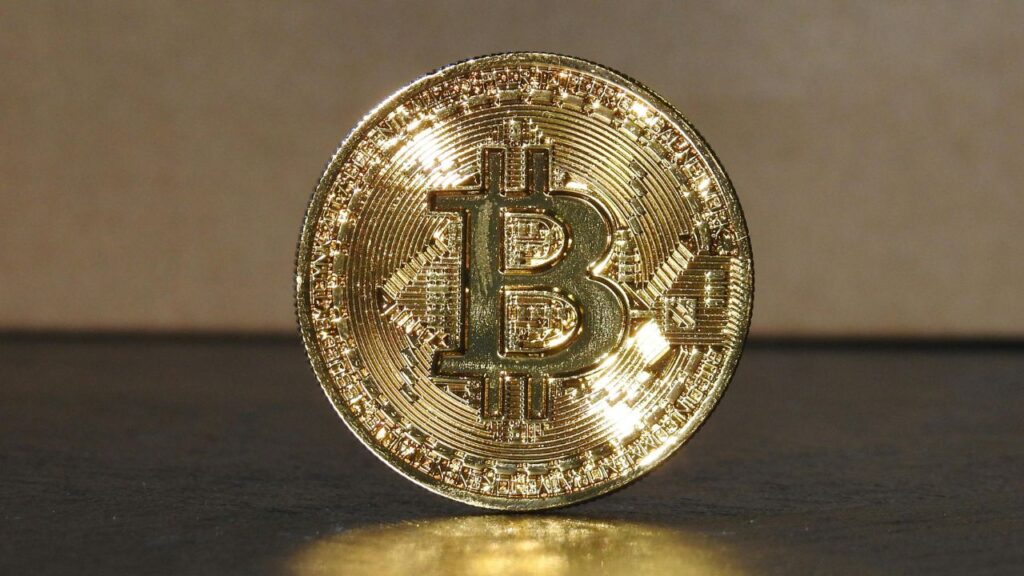
The 20 millionth Bitcoin was mined on 9 March 2026. If you are even loosely interested in crypto, it is worth understanding why that number matters. This is not just a round number that sounds impressive. It marks a genuinely significant moment in how Bitcoin works, how scarce it is, and what the road ahead looks like for the world’s most well known cryptocurrency.
What Actually Happened?
The 20 millionth Bitcoin was mined at block height 939,999 by the Foundry USA mining pool on 9 March 2026. It took exactly 17 years, two months, and one week from the first block mined by Satoshi Nakamoto in January 2009 to reach this point.
Bitcoin’s total supply is fixed at 21 million coins. With 20 million now mined, more than 95% of all Bitcoin that will ever exist is already in circulation. The remaining one million coins will take roughly 114 years to issue, with the final fractions expected around the year 2140.
To put that another way: for every 20 Bitcoins already in existence, just one remains to be created. And the pace of creation is slowing down significantly with every passing year.
Why Does Bitcoin Have a Fixed Supply?
This is what sets Bitcoin apart from every traditional currency. Governments can print more pounds, dollars, or euros whenever they choose. Bitcoin cannot be inflated in the same way. The 21 million cap was written into the protocol by Satoshi Nakamoto from day one. It cannot be changed without the agreement of the entire network, which in practice makes it immovable.
This hard money aspect of Bitcoin has been one of its primary appeals since the first batch of 50 coins was minted 17 years ago. As one Bitcoin mining executive put it at the time of the milestone, this is the first monetary system in history with a fully predictable supply policy written into code rather than set by politicians or central bankers.
The supply schedule works through a mechanism called halving. When Bitcoin launched in 2009, miners received 50 Bitcoin per block as a reward for validating transactions. That reward is cut in half every 210,000 blocks, which works out at roughly every four years. The most recent halving in April 2024 reduced the reward from 6.25 BTC to 3.125 BTC per block, cutting daily new Bitcoin production from around 900 coins to around 450. The next halving is scheduled for April 2028, when the reward drops again to 1.5625 BTC per block.
Not All 20 Million Are Actually Accessible
Here is a detail that gets missed in most of the headlines. While 20 million Bitcoin have been mined, not all of them are accessible or in active circulation.
Blockchain analytics firms estimate that between 2.3 million and 3.7 million BTC are permanently inaccessible. These are coins lost to forgotten passwords, misplaced private keys, deceased holders who never passed on their wallet details, and coins sent to addresses that can never be recovered. That includes the estimated one million coins believed to have belonged to Satoshi Nakamoto himself, which have never moved.
The real effective supply of Bitcoin that can actually be bought, sold, or used is therefore somewhere closer to 16 to 17.7 million coins. When you factor that in alongside the one million still left to be mined, Bitcoin is significantly scarcer than the headline numbers suggest.

Where Is the Price Right Now?
Bitcoin is trading at $73,421 as of 13 March 2026, with a market capitalisation of approximately $1.47 trillion. That puts it well ahead of every other cryptocurrency. Ethereum, the second largest, sits at around $233 billion in market cap.
Bitcoin has climbed roughly 12% since the start of March, outperforming traditional safe havens including gold, which has fallen nearly 2% over the same period. Around $700 million has flowed into US Bitcoin ETFs so far in March alone, reflecting renewed appetite from institutional investors despite ongoing geopolitical uncertainty around the Iran conflict.
That said, the price remains well below its all time high of $126,198 reached in October 2025, meaning anyone who bought near the peak is still sitting on significant losses. Short term volatility remains a defining feature of this asset, and anyone coming in fresh needs to be clear eyed about that.
What Does This Mean for the Price Long Term?
The honest answer is that nobody knows for certain. But the economic logic of Bitcoin’s supply model points in one clear direction.
Supply is fixed and becoming increasingly constrained. Each halving reduces the rate of new Bitcoin entering circulation. Meanwhile, demand from institutional investors has grown considerably. Strategy, formerly known as MicroStrategy, purchased 17,994 Bitcoin between 2 and 8 March 2026 for approximately $1.28 billion. Central banks and sovereign wealth funds are increasingly considering Bitcoin as a reserve asset. The US government has established a Strategic Bitcoin Reserve, holding seized coins rather than selling them.
When you combine genuinely fixed and shrinking supply with growing institutional demand, basic economics points toward upward price pressure over time. That does not mean the price goes up in a straight line. But the long term supply argument becomes structurally stronger with every halving and with every milestone like the one we just passed.
What Happens When All the Bitcoin Is Mined?
This is a question that matters more than most people realise. It goes to the heart of whether Bitcoin can sustain itself long term.
Right now, miners are incentivised to secure the network because they earn newly created Bitcoin as a block reward. By the 2040s, daily Bitcoin issuance will fall below 30 BTC. By the 2060s it will drop below 2 BTC per day. Once block rewards approach zero, transaction fees paid by users will become the only income miners receive for securing the network.
Whether transaction fees alone can sustain robust network security over the very long run is a genuine open question. Most Bitcoin advocates argue that as the network grows and Bitcoin becomes more widely used, fee income will rise to fill the gap. Sceptics are less certain. Either way, this is a question for the 2060s and beyond. It does not affect the investment case in any practical sense today.
What Should a UK Investor Take From All This?
The 20 millionth Bitcoin milestone does not change the investment case overnight. But it does sharpen it.
Bitcoin’s scarcity is not a marketing claim. It is a mathematical certainty built into the protocol. The closer the supply gets to its hard cap, the more that scarcity becomes a real and immediate factor rather than a distant theoretical one. With institutional adoption continuing to grow, that scarcity is being noticed by an increasingly large pool of serious buyers.
For anyone in the UK considering Bitcoin, the tax picture matters. Profits above the £3,000 annual capital gains allowance are taxed at 18% for basic rate taxpayers and 24% for higher rate taxpayers. Every disposal, including swapping Bitcoin for another cryptocurrency, is a potentially taxable event. HMRC now receives transaction data automatically from UK exchanges under the Cryptoasset Reporting Framework, so staying on top of your obligations is not optional.
As always, treat Bitcoin as a small allocation within a diversified portfolio rather than a single concentrated bet. A position of 2% to 5% of your overall portfolio gives you meaningful exposure to the upside without betting the house on an asset that can and does fall sharply over short periods. The supply story is compelling. The volatility is real. Both things are true at the same time, and both need to sit in your thinking before you make any move.
Content on IceburgWealth.com is for informational purposes only and not intended as investment advice. While we strive to provide accurate and up-to-date information, Iceburg Wealth is not responsible for any errors or omissions, or for outcomes resulting from the use of this information. Readers should seek professional advice before making any financial decisions.